A review of Simulacra and Simulation
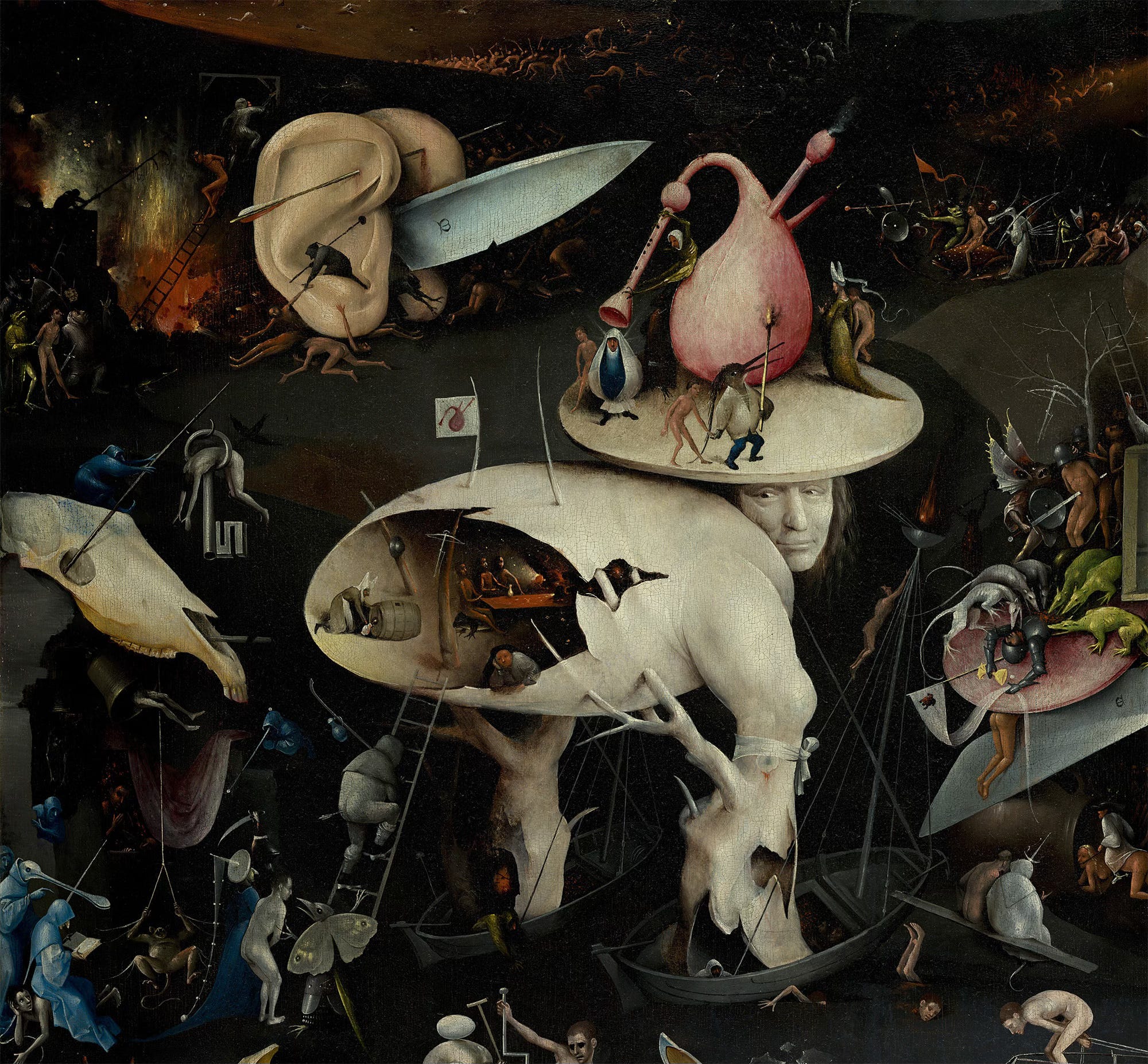
I can’t help but notice how extremely relevant Baudrillard’s concept of the simulacra and simulation is today.
The whole concept of the simulacra is that of a copy without an original, something that refers to nothing real. But how can this be? Simulation seems self evident, yet that’s exactly the paradox Baudrillard is getting at.
Take money as an example. It was once tied to labour, then decoupled and tied to gold, then decoupled again after Nixon ended the gold standard. Now it is but a shell of itself, constantly reinforced by the shameless rituals of media and advertisement that force us, the participants, to engage and give it value. And the modern world keeps accelerating this. Technology moves faster than the laws and systems can keep up, and people are left swimming in structures and system that feel increasingly divorced from any reality they actually recognise.
Baudrillard talks about nostalgia too, how history gets ravaged because we crave something more real, but by craving it, it becomes less real. I felt this walking through Italy. The historical buildings in places like Venice, the ones that are supposed to be the real thing, have become a caricature of themselves. We flock to them precisely because everything around us, the corporate buildings, the investment company developments that have bought and sold our cities, feels hollow. But the act of going back to look at these old buildings, of treating them as something to consume, means they too have become a simulacra, simulating a nostalgia for a past that no longer exists. The most absurd proof of this was when I saw a McDonald’s advertisement on the Duomo di Milano recently. The very building you came to see because it felt real, because it had weight and history, already has a corporate logo on it.
The thing you came looking for is already lost. It connects to memory too: when a human revisits a memory it becomes increasingly distorted until it becomes something else entirely, a simulacra of what it once was.
Baudrillard was writing about France, about places like Beaubourg and Disneyland, but what he was describing then is not so different from the world we live in now, in fact it's even more pronounced. The smartphone mediates human interaction. Social media reduces human connection to a few taps, and what's left is people curating snapshots of their lives completely divorced from reality, while others try to replicate those snapshots, and so on, a mimetic loop with no original left to trace back to. An infinite supply of media floods in from people we have no direct relationship with, completely divorced from our personal reality.
How can it not be relevant?
I was surprised by how much I enjoyed this book. For all the esoteric descriptions and terms Baudrillard uses, the way he writes is almost like poetry. I could feel his frustration even now in the present, despite this being a text written over 30 years ago, and his angst feels even more accelerated today.
Definitely a text to revisit, and I feel like it’s an essential read for everyone. Though I’m not sure it would make much of a difference, because the uncomfortable truth is we’re already liv trapped inside the simulacra and the simulation.
These are my initial impressions and I wanted to put them down. I hope to reread this again. Again this is just one man’s view of the world and doesn’t mean it is absolute, it is simply another mental model of making sense of our complicated modern world.